
Why we’re building Sphare
Sharing online has become tightly coupled to platforms.
If you want to share something, you are expected to upload it, store it, and manage it within someone else’s system.
Over time, this has changed what sharing actually means.
When sharing becomes a platform
What started as a simple act — sending something to someone — is now mediated by systems designed to retain attention and shape behavior.
Content is no longer just shared.
It is hosted, structured and controlled within environments that are not yours.
For many use cases, this works well.
But it also introduces a dependency that is easy to overlook.

Separating sharing from storage
Sphare is built on a simple idea:
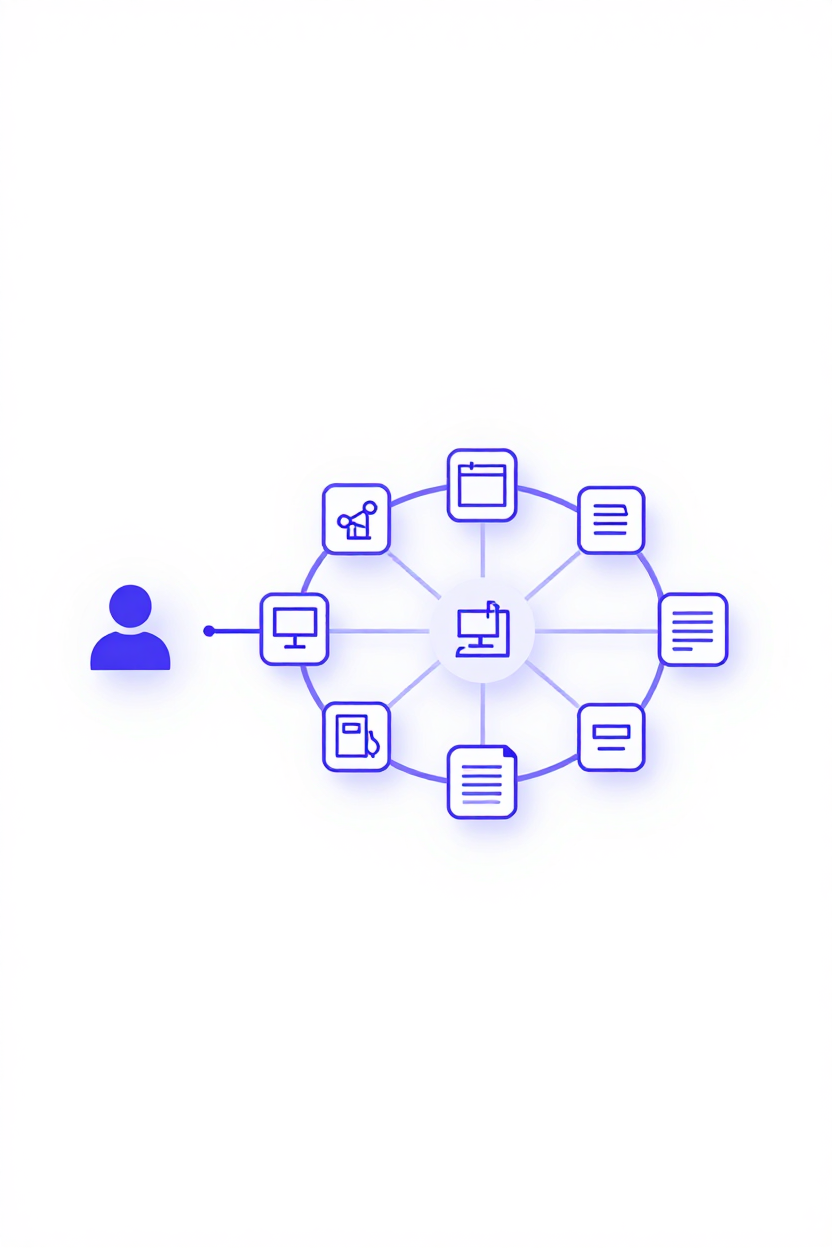
The experience of sharing should be separate from where content is stored.
The application provides a clean interface for organizing and sharing, while the underlying storage is defined by the user.
This makes it possible to combine ease of use with control.
Ownership by design
Control is part of the architecture, not a policy.
Sharing as a function
Sharing is something the system enables — not something it monetizes.
Infrastructure choice
Users decide where their data lives.
Simplicity over engagement
The goal is clarity, not retention.
What we’re building first
The first version of Sphare focuses on a simple use case: sharing photos with people you trust.
From there, it expands toward broader use cases — from personal backup to flexible hosting and integrations.

A different kind of platform
Sphare is not designed to replace every existing service.
It is an exploration of a different model — one where the platform becomes less central — and the user more so.